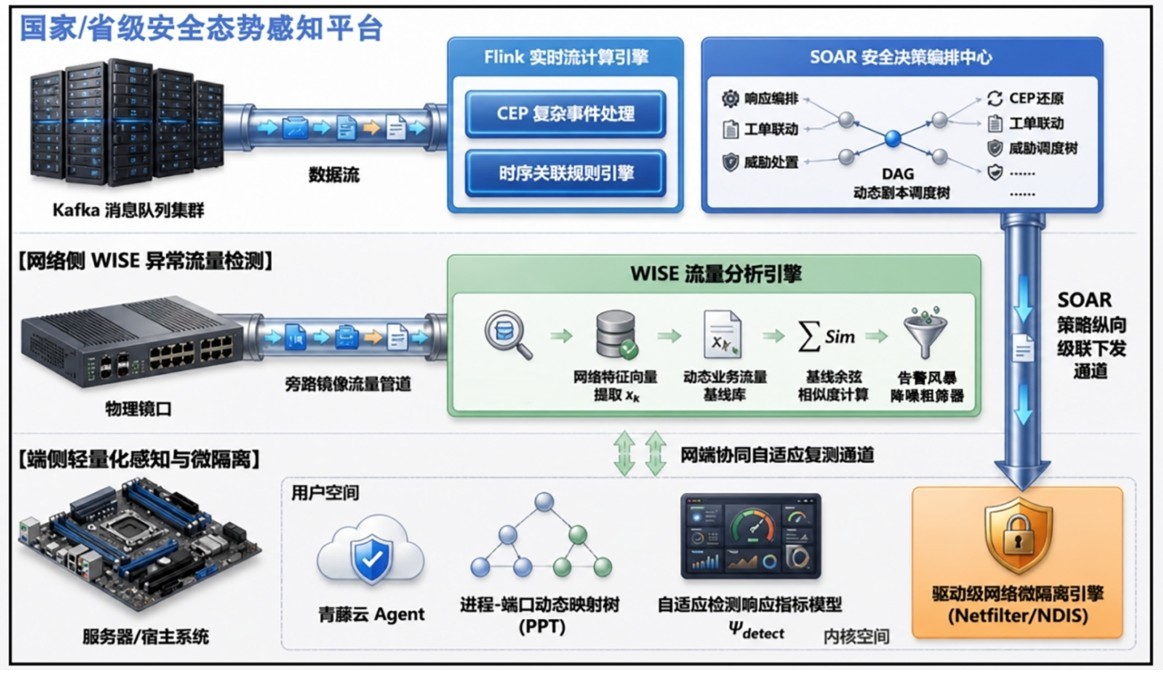
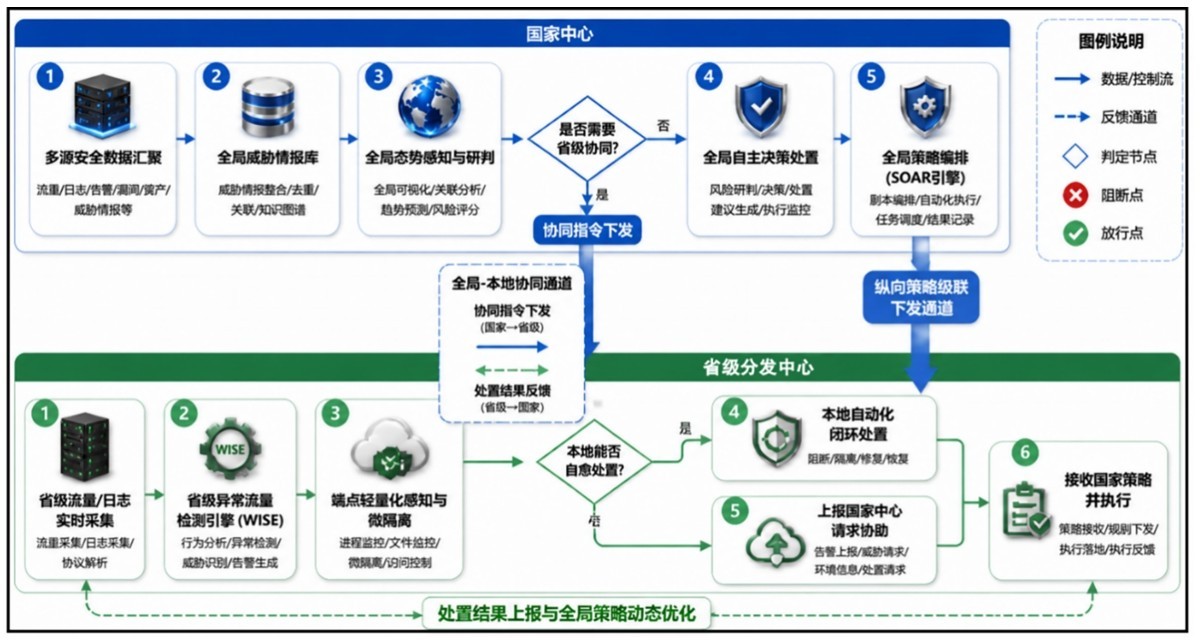
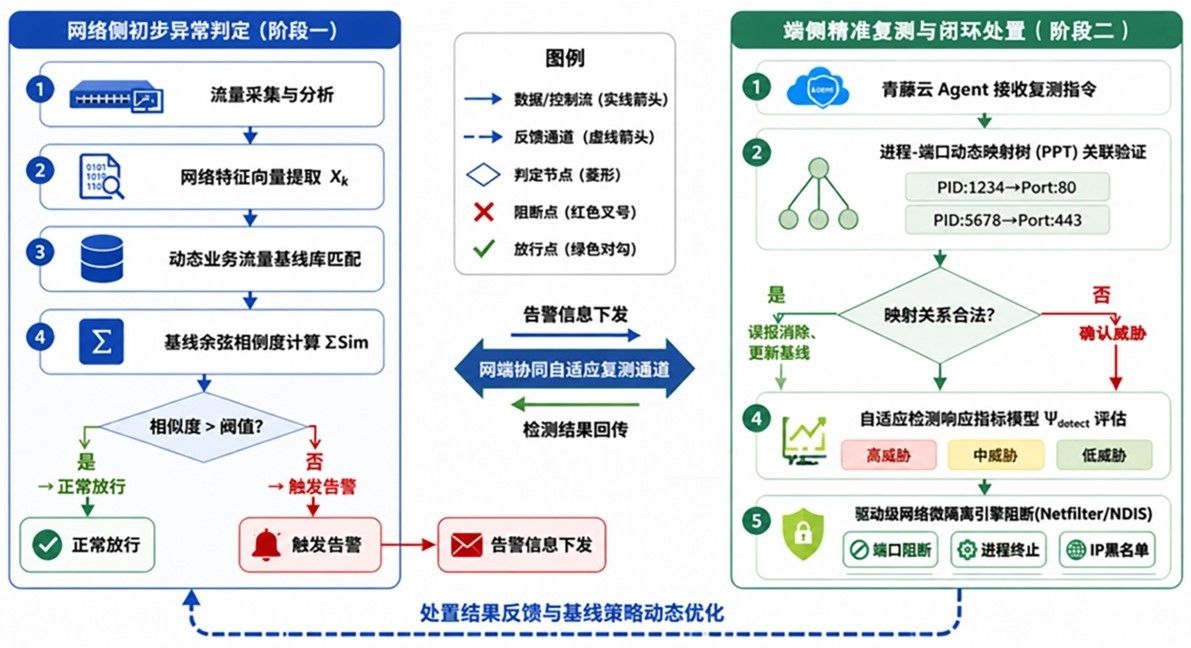
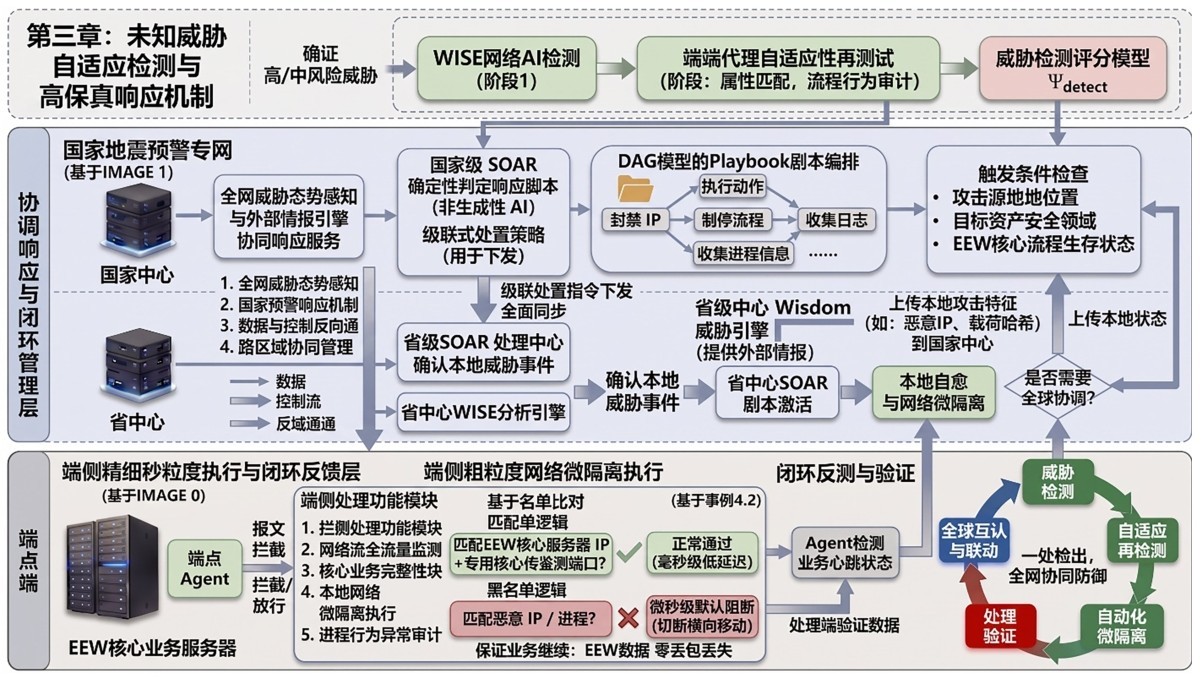
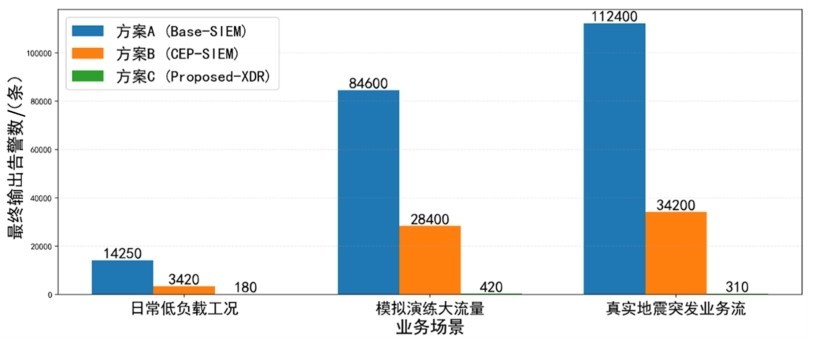
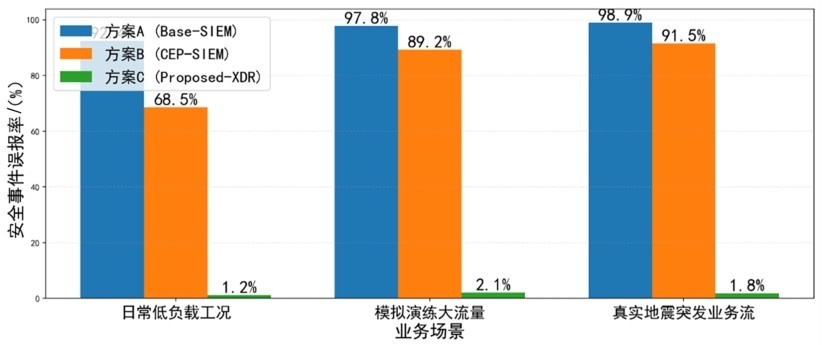
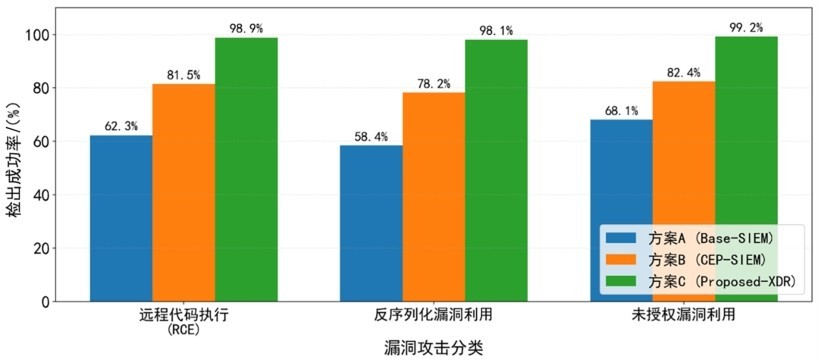
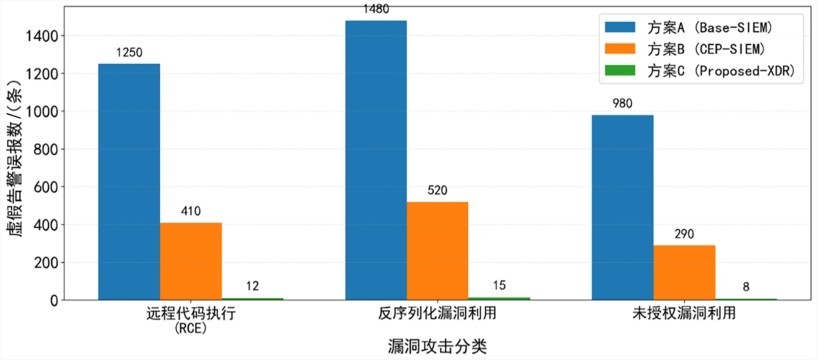
国家地震烈度速报与预警工程在巨震应急与演练等高并发时期,极易因传统单点设备高误报引发“告警风暴”,干扰防灾业务,且面临跨国、省两级异构数据难以评估等痛点。为此,设计并实现了一套基于可扩展检测响应(ExtendedDetectionandResponse,XDR)网端协同架构的自适应复测与高保真降噪机制。该机制依托国—省两级分布式大数据底座,构建了以网络侧人工智能分析引擎(Network-sideAIAnalysisEngine,WISE)为核心,端侧轻量化感知代理(Agent)为状态验证的多维交叉验证网络。系统流式接入全网异构遥测数据,利用ApacheFlink复杂事件处理(ComplexEventProcessing,CEP)引擎进行二次关联校验,并引入动态业务流量基线,对主机脆弱性、网络连接、进程及系统行为开展动态复测,实现对网页后门(Webshell)加密通道、高级持续性威胁(AdvancedPersistentThreat,APT)漏洞试探及内网横向移动等高隐蔽威胁的精准鉴别。实际部署与演练结果表明,该机制在保障端侧极低计算开销的前提下,将全网无效误报率压降超96%,显著提升了安全研判信噪比,在确保预警业务连续性的同时,实现了防灾减灾专网的闭环级联响应与秒级安全增效。
During high-concurrency periods like major earthquake emergencies and drills, the National Earthquake Intensity Rapid Reporting and Early Warning Project suffers from "alarm storms" caused by high false positives of traditional single-point devices and faces challenges in cross-national and provincial two-level heterogeneous data evaluation. To address these issues, this paper implements an adaptive retesting and high-fidelity noise reduction mechanism based on an Extended Detection and Response (XDR) network-endpoint collaborative architecture. Le‐veraging a national-provincial distributed big data foundation, the mechanism builds a cross-verification network us‐ing a network-side AI Analysis Engine (WISE) for core analysis and lightweight endpoint Agents for state verifica‐tion. By streaming network-wide telemetry data and performing secondary correlation via Apache Flink Complex Event Processing (CEP), the system introduces a dynamic traffic baseline to conduct dynamic retesting on host vul‐nerabilities, connections, processes, and system behaviors. This enables precise detection of covert threats, including Webshell encrypted channels, Advanced Persistent Threat (APT) probing, and intranet lateral movement. Empirical deployment and drill results show that, with minimal endpoint overhead, this mechanism reduces the network-wide invalid false positives rate by over 96%, significantly enhancing the security signal-to-noise ratio, ensuring early-warning business continuity, and achieving closed-loop cascading response and second-level security efficiency im‐provement for the disaster prevention and mitigation private network.