1.1 地震波形特征重建
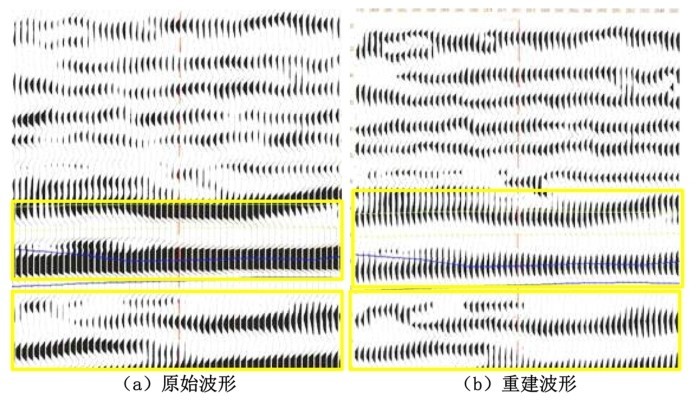
地震波形是地下岩层物性参数变化的直接反映,但在传播过程中会因地层吸收和散射以及几何扩散等原因而衰减,甚至导致复杂构造处的信号能量减弱,降低储层地震波成像质量[5]。所以通过重建地震波形特征,可以提取出与储层物性参数相关的信息,提高储层孔隙结构分析的准确性。
地震波形特征重建是由原始的地震信号序列变化而成,反映的是目的层段内地震波形的整体变化特征,因此,研究主要通过描述振幅归一化波形序列来描述波形变化情况[6]。
假设原始地震道波形序列为s (t) ,通过希尔伯特变换提取地震信号的解析部分,得到瞬时振幅。公式为:
A(t) =|s(t) + i(t) H (s(t) )| (1)
式(1)中,i (t) 表示第i个地震子波的信号;H (s (t) )表示其希尔伯特变换;A (t) 表示瞬时振幅。
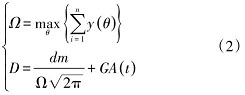
为使地震波形反演结果符合中频地震信息和测井曲线特征,沿特定斜率叠加地震道,以构造超道集,并根据瞬时振幅构建地震反演的褶积模型[7]。表达式为:
式(2)中,θ表示斜率;n表示地震子波数量;y (θ)表示斜率θ对应的地震道;Ω表示超道集; d表示共性结构相关截止频率;m表示样本井集测井曲线;G表示震源子波振幅谱;D表示地震反演褶积模型。
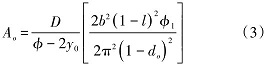
将测井反射系数与地震反演的褶积模型进行叠加,生成合成地震记录,调整时间-深度关系,定义振幅归一化波形序列。公式为:
式(3)中,ϕ表示反射系数序列;y0表示薄层时间厚度;b表示合成地震记录;l表示岩石有效压力;ϕ1表示地震波瞬时相位;do表示基质剪切模量;Ao表示振幅归一化波形序列。
对振幅归一化波形序列进行重采样,以保证重建的波形能够反映实际波形振幅、频率、相位的同时综合变化[8]。表达式如下:
式(4)中, C表示拉梅常数; ks表示第s次迭代的子波参数;ν表示原始声波速度;Ts表示第s次迭代时的时间步长;W表示重建的地震波形特征。
通过定义地震波振幅归一化波形序列,并对其进行重采样,以重建地震波形特征,有助于天然气水合物储层地质介质参数的提取。
1.2 基于地震反演的储层介质弹性参数提取
地震反演提取的储层介质弹性参数能够直接反映储层介质的力学性质,而天然气水合物的存在会显著改变这些参数[9]。因此,基于地震波形特征挖掘储层介质弹性参数,可以通过建立其与物性参数之间的映射关系,精准预测储层物性参数。
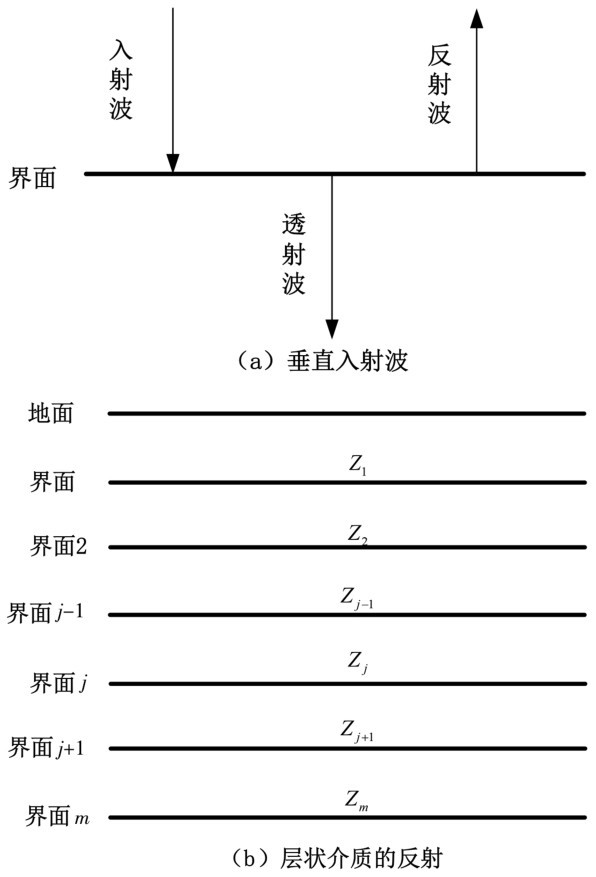
本文采用的地震波反演方法为递推反演,基于重建的地震波特征,将其转换为具有实际地质意义的波阻抗信息,以提取地震波相关特征[10]。当波为垂直入射波,地下介质为层状介质时,共存在m个平行反射界面。具体如图1所示。
图1 垂直入射波于反射界面示意图Fig.1 Schematic diagram of vertically incident waves at reflection interfaces
根据图1所示,层状地质中第j层界面的波阻抗可表示为:
式(5)中,W表示重建的地震波形特征;fo表示调谐频率;μt表示井旁道振幅;sr表示等效介质的体积模量;ε表示包含物模量的极化因子;uq表示先验信息矩阵。
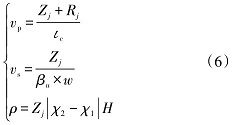
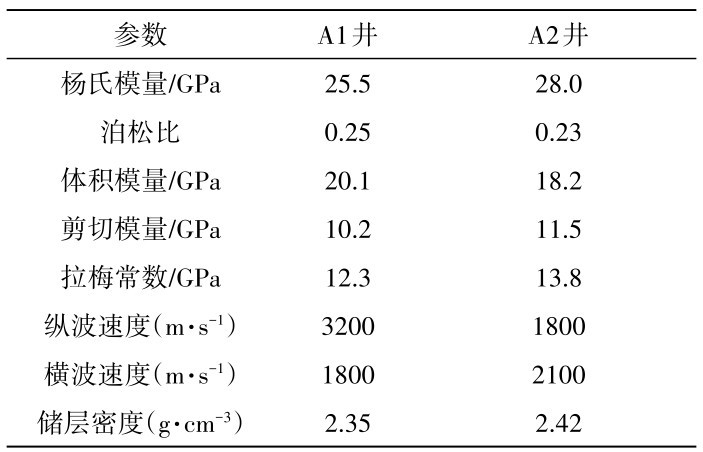
由于储层波阻抗信息并非基于单一的、局部的测量数据,而是对储层整体特性的一种综合反映,在反演过程中,利用这种综合信息可以从更宏观的角度去推断介质的弹性特征,而不是仅仅依赖于某个局部区域的特征数据,避免了在局部数据的小范围内陷入极值点[11]。因此,可以在此基础上递推出储层介质的弹性参数,包括纵波速度、横波速度和储层密度。如式(6)所示:
式(6)中, Rj表示第j层界面的反射系数; ιc表示正演算子;vp表示纵波速度;βu表示正则化参数;w表示利用波形特征优选出井样本的值;vs表示横波速度;χ2、χ1分别表示储层深侧向电阻率和浅侧向电阻率;H表示Hirst指数;ρ表示储层密度。
以天然气水合物储层地质弹性参数为依据,对储层的物性参数进行定量计算。
1.3 天然气水合物储层物性参数定量表征
基于天然气水合物资源开发利用和工程实践的角度,为评估资源的富集程度与通过天然气的能力,主要针对天然气水合物储层的孔隙度和渗透率进行定量表征[12-13]。本文采用梯度提升决策树模型预测这两个物性参量。
将 储 层 介 质 弹 性 参 数 定 义 为 集 合ψ={v p, v s, ρ},基于岩石物理模型建立弹性参数与物性参数之间的初步关系[14]。公式如下:
m'=fR(ψ) +εo(7)
式(7)中,fR表示确定性岩石物理模型;εo表示弹性参数;m'表示计算得到的模型—实际弹性参数组合样本。
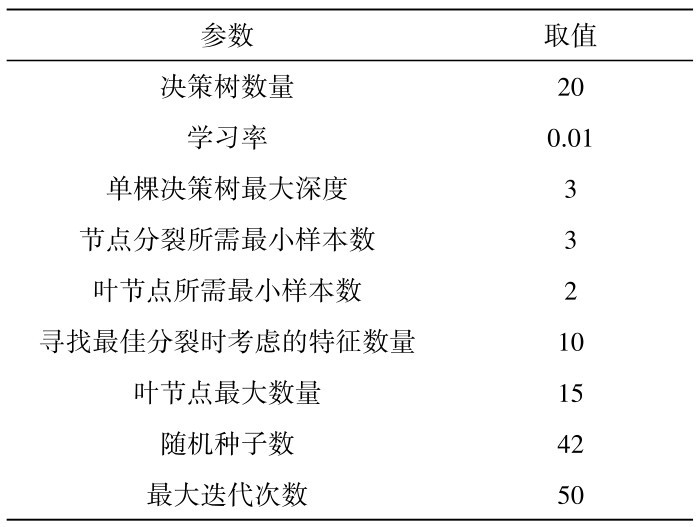
设定梯度提升决策树的基学习器数量为N',采用均方误差作为损失函数,衡量预测值与真实值的差异。表达式为:
式(8)中, M表示输入的样本数; aυ表示真实值; a͂表示预测值;Loss表示损失函数。
在梯度提升阶段,通过迭代优化逐步降低损失函数,以提高预测准确度。则第t'轮迭代的更新公式可表示为:
式(9)中, Ft'-1表示第t'-1轮决策树的预测值; η表示学习率;ht'表示当前轮次决策树的预测值。
决策树学习完成后,拟合所有决策树结论,构建储层物性参数预测模型[15]。即:
式(10)中,∂表示使预测取得最小值的参数。
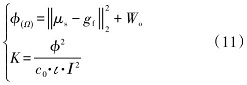
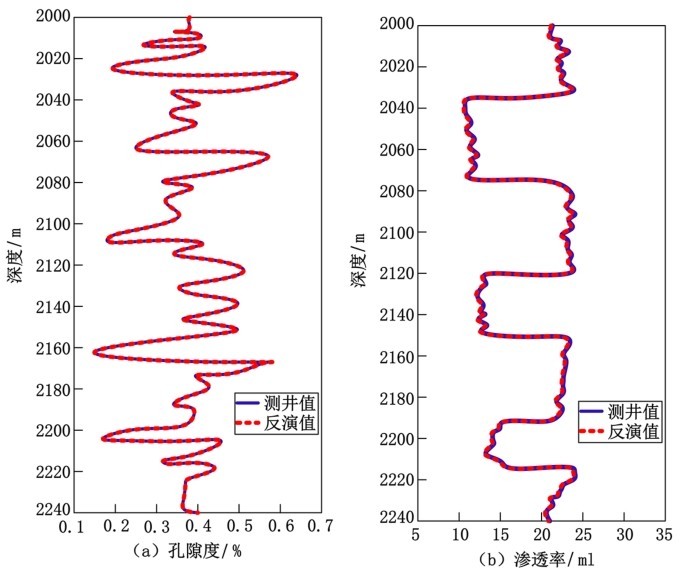
将提取的弹性参数输入预测模型中,预测储层孔隙度,并基于孔隙度与渗透率之间的经验关系,将孔隙度作为额外的输入特征,进一步预测渗透率[16]。具体计算公式如式(11)所示:
式(11)中,μs表示无物性参数标签的地震数据;gf表示无标签数据的批次大小;Wo表示叠加角道集数据;ϕ(Ω) 表示模型预测出的储层孔隙度;c0表示经验常数;ι表示迂曲度;Ι表示比表面积;K表示储层渗透率。
通过上述预测过程即可确定天然气水合物储层的孔隙度与渗透率,完成储层物性参数的定量表征。